
A strategic plan task force is a small group of stakeholders selected to guide and support the strategic planning process. The task force works alongside leadership and planning facilitators to gather input, evaluate priorities, provide feedback, and help shape recommendations before a strategic plan is finalized.
This group ensures the strategic plan reflects the perspectives of the people most affected by it.
While the board ultimately approves the plan and leadership is responsible for implementation, the task force helps ensure the plan reflects a broad range of perspectives and real-world priorities.
Think of the task force as a bridge between leadership, stakeholders, and the planning team. Members provide feedback, review findings, help identify emerging priorities, and serve as ambassadors for the planning process.
A well-structured task force helps organizations develop strategic plans that are both ambitious and achievable.
What Does a Strategic Plan Task Force Do?
The primary role of a strategic plan task force is to provide guidance throughout the planning process. This is the team that:
- Guides the planning process
- Represents key stakeholder perspectives
- Reviews data and emerging priorities
- Provides feedback on draft goals and objectives
- Advises leadership and consultants
- Serves only for the duration of the planning process*
Task force members are not expected to write the strategic plan themselves. Instead, they help shape and refine the plan as it develops.
Their role is to ask good questions, challenge assumptions, and help ensure the final plan reflects the organization’s mission and future aspirations.
*You may opt into building a Strategic Plan Implementation Task Force to carrying out the plan, review data, and report back on how your organization is meeting its goals, objectives, and outcomes. People from the Strategic Plan Task Force may also be on the Implementation Task Force, but some may join the project just for the planning process.
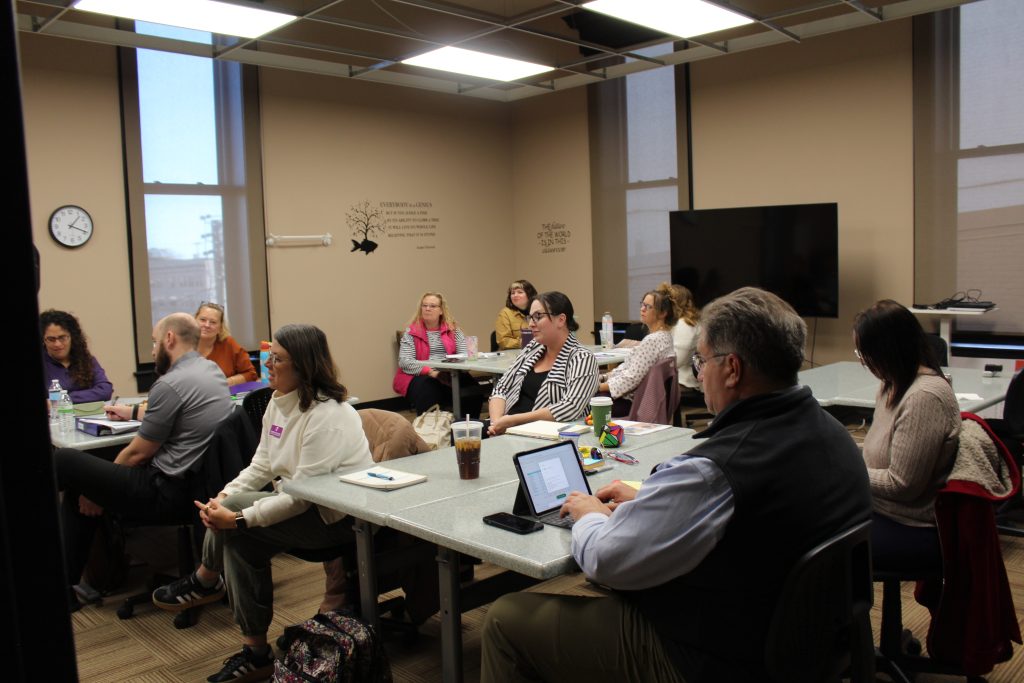
What a Strategic Plan Task Force is Not
A strategic planning task force is often misunderstood. It is important to clarify what the group is not responsible for.
A task force is not:
- A replacement for the board
- A substitute for leadership
- The sole voice of stakeholders
- A permanent committee
- Responsible for implementing every aspect of the plan
- Expected to write the entire document
Its purpose is to provide perspective, guidance, and accountability throughout the planning process.
When organizations clearly define the role from the beginning, task force members can contribute more effectively and the planning process tends to move more smoothly.
Who Should Serves on a Strategic Plan Task Force?
This question really should say, “Who needs their voice heard and represented?” because that’s who you’re looking for.
You’ll want to consider who is affected by changes made by your future strategic plan. Are there certain departments impacted more? Do you have someone who will speak on behalf of your clients or customers?
List out the groups of people who matter to your organization. Then, determine who can be a voice for each group. Your list may include:
- Board members
- Executive leadership
- Staff representatives
- Volunteers
- Community members
- Donors
- Members or customers
- Partner organizations
The goal is not to include everyone. Instead, organizations should seek a balanced group that reflects key stakeholder voices while remaining small enough to work efficiently.
Diversity of thought is often more valuable than simply filling seats with titles or seniority.
How Many People Should Be on a Strategic Plan Task Force?
For most organizations, a group of 8 to 15 people strikes the right balance. You need to aim for quality over quantity. You need members of the task force to be people who will make time for this project and show up to do the work of strategic planning.
This equation is a balance between ensuring voices are represented and making sure you have helpers willing to see this project come to fruition.
Groups smaller than eight may lack sufficient representation, while groups larger than fifteen can become difficult to manage and may struggle to reach consensus.
The ideal size depends on factors such as:
- Organization size
- Number of stakeholder groups
- Geographic reach
- Complexity of the planning effort
If broad input is needed, it is often more effective to gather feedback through surveys, interviews, or focus groups rather than continually adding members to the task force.
One of the most common mistakes organizations make is creating a task force that is too large. When every stakeholder is included, meetings become discussions rather than decision-making forums. A smaller group often produces stronger strategic recommendations while still gathering broad community input through surveys, interviews, and focus groups.
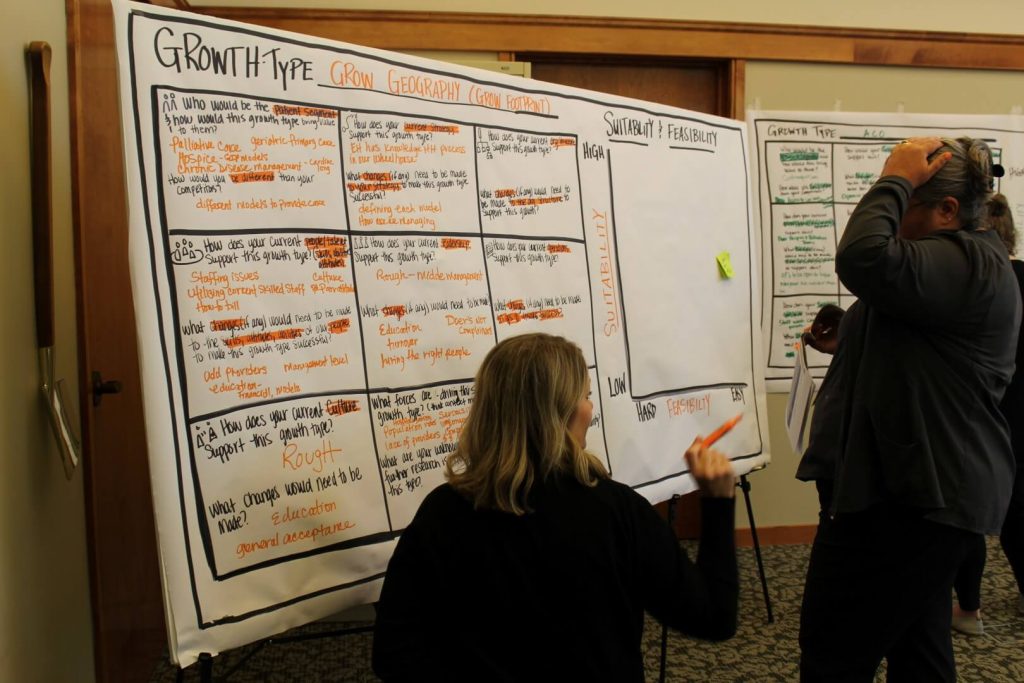
Is a Strategic Plan Task Force Different From the Board?
Yes.
While there may be some overlap in membership, the board and task force serve different functions.
The board’s responsibility is governance. Ultimately, board members review, approve, and oversee the strategic plan.
The task force’s responsibility is guidance and input. Members help shape recommendations, review findings, and provide stakeholder perspectives throughout the process.
A strategic planning process is often strongest when the task force informs the work and the board evaluates and approves the final direction.
How Long Does a Strategic Plan Task Force Serve?
Most task forces exist only for the duration of the planning process.
Depending on the organization’s size and planning timeline, this may be anywhere from three to twelve months.
Many task forces meet four to eight times throughout the process, with meetings focused on key milestones such as:
- Reviewing assessment findings
- Discussing stakeholder feedback
- Evaluating strategic priorities
- Reviewing draft goals
- Finalizing recommendations
Once the strategic plan is approved, the task force is typically dissolved.
Some organizations may create separate implementation teams or oversight committees, but these are distinct from the original planning task force.
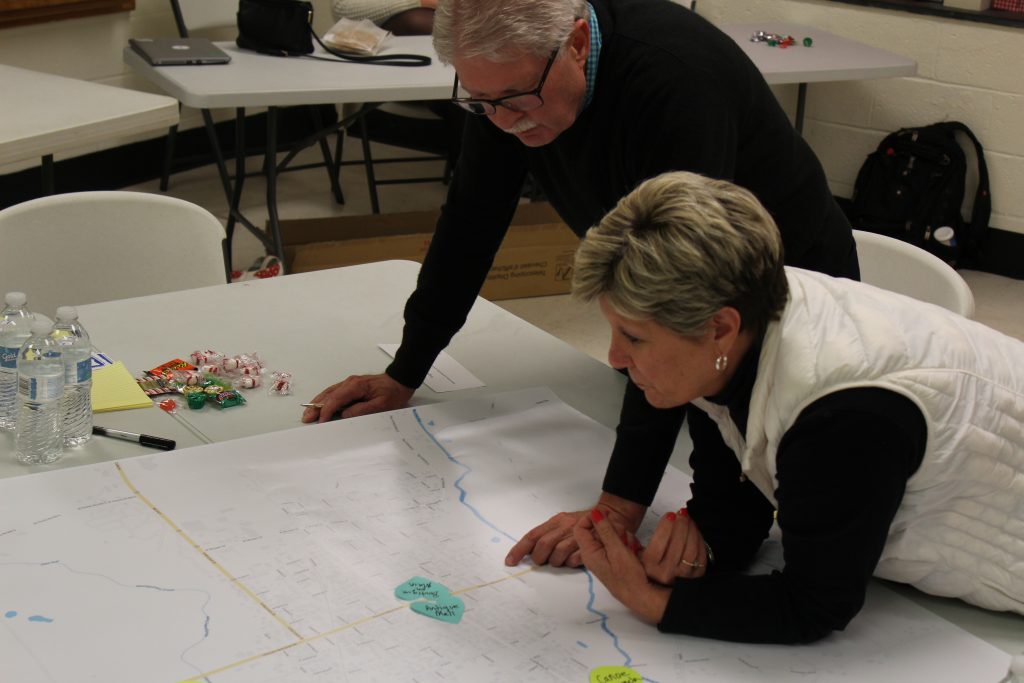
Why Does a Strategic Plan Task Force Matter?
Strategic plans are strongest when they are informed by the people who will ultimately be affected by them.
A well-designed task force helps organizations avoid blind spots, build stakeholder buy-in, and create plans that are grounded in reality rather than assumptions.
Without a task force, planning efforts can become isolated to a small group of leaders. With one, organizations gain valuable insight, stronger engagement, and a greater likelihood that the final plan will be embraced and implemented successfully.
A strategic plan should not simply be a leadership exercise. It should be a shared vision for the future—and a thoughtful task force can help make that possible.
Who Keeps Up the Momentum?
Someone needs to own the strategic planning process. You’ll likely have an idea of who this person should be, but they often need support. Organizations are often more successful when they bring in an outside consultant to help your team fact-find, gain alignment, and write the plan. That’s where we come in to ensure you’re successful and no one feels like you’re spinning your wheels or watering down your plan to avoid conflict. Our approach is to ask the tough questions to get to the heart of the matter, remain agnostic to help you break through barriers, and provide you with a plan that drives your organization forward.
Ready to talk? Contact us.